

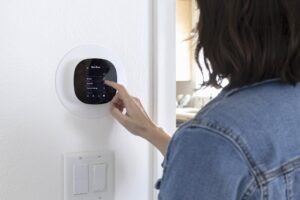
 The rental property market is transforming as resident preferences continue to shift. With purchasing a home less achievable for millennials, Gen Z, and older adults, long-term rentals are becoming a preferred housing option. Consequently, renters increasingly expect advanced amenities, with smart home technology leading the list.
Modern renters favor rentals with smart features, including reliable internet service, automated thermostats, and updated security systems. From an ownership perspective, the value of these upgrades depends heavily on location, tenant mix, market trends, and anticipated financial performance.
What Are Smart Home Devices for Rentals?
Smart home devices are internet-connected technologies that automate and control property functions. In rental settings, the most popular solutions include:
• Smart thermostats (Nest, Ecobee)
• Smart locks and keyless entry systems
• Video doorbells and security cameras
• Smart lighting systems
• Water leak detectors
• Smart smoke and carbon monoxide detectors
• Smart plugs and outlets
These tools connect to Wi-Fi networks and can be managed remotely via smartphone apps, providing convenience for both landlords and tenants.
The Benefits of Smart Devices in Rental Properties
Increased Property Efficiency and Cost Savings
Smart devices are designed to enhance property efficiency and reduce operational spending, which appeals strongly to renters seeking convenience and sustainability features.
Smart thermostats lower heating and cooling costs by learning daily usage patterns, adjusting for vacant periods, and preventing HVAC misuse. This saves money while extending equipment lifespan.
Smart water leak detectors notify owners immediately, helping avoid costly repairs. Smart lighting can also reduce electricity use by programming lights to turn off automatically when no one is home.
PRO TIP: Install smart thermostats with temperature-range restrictions to stop tenants from choosing extreme temperatures that strain HVAC systems or create excessive utility expenses. Use practical limits (e.g., 65–78°F) that maintain comfort while protecting your equipment.
Enhanced Security and Tenant Safety
Security is a top priority for renters, and smart systems provide reassurance.
Video doorbells and security cameras help deter theft and vandalism and provide evidence if needed. Sensors alert both landlords and residents to unauthorized entry attempts, making them ideal for properties with residents who travel often.
Streamlined Property Management
Smart locks modernize access control for rental properties. Instead of changing physical locks between tenants, which can cost $75-150 per turnover, property owners can instantly update digital codes. This reduces emergency locksmith calls, provides reliable access for maintenance and contractors, and tracks entry activity.
For landlords with several properties, smart locks simplify self-showings and improve security without added administrative burden.
Higher Rental Income Potential
In competitive markets, especially near universities, tech hubs, or urban centers, smart home features can support monthly rents 5-15% higher. Properties catering to students, remote workers, and professionals often gain the strongest returns.
Smart home features have become standard amenities similar to central air or on-site laundry. Properties lacking these upgrades may find it harder to attract tenants seeking higher-quality living spaces.
The Drawbacks of Smart Home Technology in Rentals
Upfront Investment Costs
Adopting smart home technology can be expensive, especially when considering full smart home systems. Individual devices may seem cost-effective, but the combined package quickly adds up:
• Smart thermostat: $120-250 per unit
• Smart lock system: $150-300 per door
• Video doorbell: $100-250
• Security camera system: $200-600
• Smart smoke/CO detectors: $80-120 each
• Professional installation: $200-500 per property
A complete smart home package for a single-family rental usually costs $1,000 to $3,000. Systems are most effective when installed as a coordinated set, and market analysis is essential to ensure rent increases justify the investment.
Internet Connectivity Requirements
Smart devices depend on Wi-Fi connectivity. You must decide whether tenants or landlords will provide the internet. Tenant-supplied internet requires their collaboration during setup, with the risk of losing access if they disconnect. Providing Wi-Fi increases both monthly expenses and management responsibilities. Ongoing maintenance, including firmware updates and troubleshooting, adds further workload for property management.
Tenant Privacy Concerns
Although many renters welcome smart technology, privacy concerns remain an important consideration. Reports of cyber breaches and unauthorized access have made residents cautious about connected devices.
Interior cameras are especially problematic since many jurisdictions prohibit landlords from installing them inside rental units. Privacy-conscious renters may also worry about exterior cameras and smart locks that log entry times.
Transparency about which devices are installed, how data is used, and who can access it is critical. Providing tenants with control over smart features can reduce concerns and build trust.
Maintenance and Technical Support
Smart devices carry new maintenance responsibilities. These include:
• Regular firmware and software updates
• Battery replacements for wireless devices
• Troubleshooting connectivity problems
• Updating or replacing devices as technology evolves
• Educating tenants on proper usage
Engaging specialized support can become necessary, which increases operational costs.
Which Smart Devices Are Worth the Investment?
Smart devices vary in the benefits they bring to rentals. Performing a cost-benefit analysis while considering renter demand ensures smart investments:
Highest ROI:
• Smart locks – Cut rekeying costs and offer remote access capabilities
• Smart thermostats – Lower heating and cooling costs and prevent HVAC abuse
• Video doorbells – Boost security and reduce theft incidents
Moderate ROI:
• Water leak detectors – Prevent major damage
• Smart smoke/CO detectors – Improve safety and allow remote monitoring
Lower ROI:
• Smart lighting – Adds convenience, small energy savings
• Smart plugs – Affordable, limited effect
How to Calculate ROI on Smart Home Upgrades
- Total Investment Cost: Include all device, installation, and ongoing costs
- Monthly Rent Increase: Assess comparable rentals for potential increases
- Annual Additional Income: Multiply the rent increase by 12
- Cost Savings: Account for maintenance and utility reductions
- Payback Period: Divide total cost by the sum of annual additional income and cost savings
Target a payback period of 2-4 years; longer durations may only be justified if holding the property for the long term.
PRO TIP: Implement devices on a single property first. Monitor operational efficiency, tenant satisfaction, and income effects for 6-12 months to guide future upgrades.
Final Verdict: Should You Upgrade Your Rental Property?
Upgrading rental properties with smart devices can transform how you manage your investments. Smart technology enhances efficiency, security, and management processes, while potentially increasing rents, though it also presents certain costs and challenges.
Smart devices make the most sense for:
• Properties in highly competitive urban or suburban markets
• Rentals designed for young professionals or tech-savvy tenants
• Landlords overseeing multiple units who need remote monitoring
• Homes with elevated utility bills where smart thermostats can reduce costs
• Locations with dependable internet connectivity
Smart devices may not be worthwhile for:
• Affordable rentals where cost-conscious renters are the primary audience
• Sites with poor internet coverage
• Areas where smart features are uncommon in the market
• Landlords without sufficient technical knowledge
• Properties catering to older tenants less interested in technology
Decisions should be data-driven and based on local market conditions, property features, and tenant expectations. Test upgrades carefully and expand based on demonstrable ROI.
Get Expert Guidance for Your Rental Property Investments
For any real estate investor in Roswell, understanding which smart home upgrades are worth the investment is critical. Real Property Management Cambridge delivers expert advice backed by local market data, helping you make informed decisions about device upgrades that maximize returns and which upgrades make financial sense for your rental properties. Reach out online or call us at 770-527-6767 to explore your options
We are pledged to the letter and spirit of U.S. policy for the achievement of equal housing opportunity throughout the Nation. See Equal Housing Opportunity Statement for more information.
